Tribe Coliving is now Hive Coliving
Call Us!Tribe Coliving is now Hive Coliving
Call Us!December 22, 2025

Golden Gate Park spans over 1,000 acres of San Francisco, making it larger than New York's Central Park. This urban oasis offers far more than most visitors realize: from world-class museums to secret gardens tucked away from the crowds. Whether you're planning to explore during your first week in the city or you're already a Bay Area resident, this guide will help you discover both the famous attractions at Golden Gate Park and the hidden treasures that locals love to keep secret.
Golden Gate Park stretches three miles long and half a mile wide, covering 1,017 acres of meticulously maintained landscapes. To put this in perspective, the park is 20% larger than Central Park and contains more than 75 miles of walking trails.
The park also contains several surprising statistics that even longtime San Francisco residents don't know. It's home to more than 5,000 different plant species, over 100 tree species, and maintains 13 lakes. Buffalo still roam freely in one section, and the park generates enough renewable energy to power several of its facilities.
Golden Gate Park is a treasure trove of cultural, historical, and natural wonders, offering something for everyone to enjoy. The attractions at Golden Gate Park include iconic landmarks, beautiful gardens, and world-class museums, making it a must-visit destination for locals and tourists alike. Whether exploring lush landscapes or discovering hidden gems, the park provides countless opportunities for adventure and relaxation.
The de Young Museum stands as one of San Francisco's premier cultural institutions. The museum's collection spans American art from the 17th through 21st centuries, plus contemporary pieces from around the world.
What sets the de Young apart is its observation tower, which offers 360-degree views of the city. Unlike many museum towers, this one is free to visit, you don't need a museum ticket to enjoy panoramic views of San Francisco. The museum also features rotating exhibitions that have showcased everything from ancient artifacts to modern installations.

The California Academy of Sciences combines four major attractions under one living roof—literally. This LEED Platinum-certified building features a 2.5-acre living rooftop covered with native California plants.
Inside, you'll find an aquarium, planetarium, natural history museum, and rainforest dome. The rainforest dome rises four stories and maintains a tropical climate year-round. You can walk through different levels of the rainforest, from the forest floor to the canopy, observing butterflies, birds, and other creatures along the way.
Don't miss the earthquake simulator, which lets you experience the 1906 San Francisco earthquake safely. The academy also houses extensive research facilities, making it a working scientific institution rather than just a museum.

Stow Lake offers a peaceful escape from city life, complete with paddle boats, walking paths, and a secret waterfall. The lake surrounds Strawberry Hill, the highest point in Golden Gate Park at 430 feet above sea level.
Most visitors enjoy the lake's surface activities, but the real treasure lies on Strawberry Hill itself. A short hike up the hill reveals Huntington Falls, a 110-foot waterfall that cascades down rocky cliffs. The waterfall is entirely artificial—created in 1895 as part of the park's original design, but it feels completely natural.
.jpg)
The Japanese Tea Garden, originally created for the 1894 California Midwinter International Exposition, represents the oldest public Japanese garden in the United States. This five-acre oasis features traditional Japanese landscaping principles, including carefully placed stones, pruned trees, and flowing water.
The garden's tea house serves authentic Japanese tea and fortune cookies, which were actually invented here, not in China as commonly believed. The garden includes several distinct areas: the main gate with its massive wooden doors, the moon bridge that creates perfect circles with its reflection, and the Zen garden with its carefully raked gravel patterns.
Spring brings cherry blossoms that transform the garden into a pink wonderland. Fall offers equally spectacular colors as Japanese maples turn brilliant red and gold. The garden maintains its beauty year-round through meticulous care and seasonal plantings.

Golden Gate Park is home to numerous attractions that captivate visitors, but some hidden gems often go unnoticed. Beyond the well-known landmarks, there are secluded spots and unique features waiting to be discovered, offering a deeper appreciation for the park's charm. These lesser-known attractions at Golden Gate Park are perfect for those seeking tranquility and a sense of exploration.
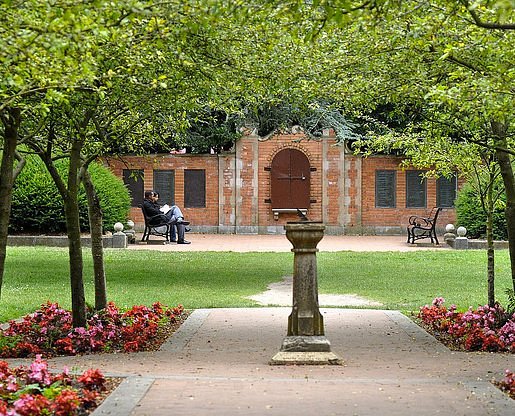
Tucked away near the California Academy of Sciences, the Shakespeare Garden contains every plant mentioned in Shakespeare's works. This literary garden spans just over an acre but packs incredible diversity into its small space.
Bronze plaques throughout the garden display quotes from Shakespeare's plays alongside the plants he referenced. You'll find everything from rosemary ("There's rosemary, that's for remembrance") to pansies ("And there is pansies, that's for thoughts"). The garden contains over 200 different plant species, each carefully chosen for its connection to the Bard's writing.
The garden's design creates intimate spaces perfect for reading or quiet reflection. It also features a small statue of Shakespeare, often overlooked by visitors rushing to larger attractions.
The Tulip Garden blooms spectacularly each spring but remains hidden from most visitors. Located near the AIDS Memorial Grove, this garden explodes with color from March through May.
The garden features over 100,000 tulip bulbs in dozens of varieties. Colors range from traditional reds and yellows to unique purples, blacks, and multicolored varieties. The bulbs are replanted each year, ensuring vibrant displays that rival those found in Holland.
The garden's peak blooming period varies each year depending on weather conditions. Local gardeners recommend visiting in early April for the best displays, though the garden remains beautiful throughout the spring season.

Few people expect to find American bison roaming freely in San Francisco, but the Bison Paddock has housed these magnificent animals since 1891. The paddock covers 15 acres and currently homes a small herd of American bison.
These aren't just any bison, they're descendants of the last wild herds that once roamed the Great Plains. The park participates in conservation efforts to maintain genetic diversity in American bison populations. The animals serve as living reminders of America's natural heritage and the importance of conservation.
The best viewing times are early morning and late afternoon when the bison are most active. The paddock's location near the western edge of the park means fewer crowds and more peaceful observation opportunities. Information panels explain the animals' history and conservation status.
The paddock also demonstrates sustainable land management practices. The bison help maintain the grassland ecosystem through their grazing patterns, creating conditions that benefit native plants and wildlife.

Golden Gate Park offers numerous recreational opportunities beyond its famous attractions. The park contains multiple playgrounds, sports fields, and recreational facilities that serve both residents and visitors.
For runners and cyclists, the park offers miles of paved and unpaved paths. The main drive through the park is closed to cars on Sundays, creating a car-free environment perfect for cycling and skating. The park connects to larger trail systems that extend to the ocean and beyond. The varied terrain also creates excellent conditions for hiking and nature photography.
Multiple picnic areas throughout the park offer perfect spots for outdoor dining. These areas include tables, grills, and nearby restroom facilities. Many areas can be reserved for larger gatherings, making the park popular for family reunions and celebrations.
Golden Gate Park transforms throughout the year, offering seasonal attractions that showcase different aspects of its beauty. Understanding these seasonal changes helps you plan visits that align with your interests.
Spring brings the park's most spectacular flower displays. Cherry blossoms bloom, creating stunning pink canopies. The rhododendron garden explodes with color, wildflowers carpet meadows throughout the park. This season also marks the return of migrating birds, making it excellent for birdwatching.
Summer offers the park's warmest weather and longest days. The rose garden reaches peak bloom. It also brings numerous events, including concerts and festivals. The park's fog patterns create dramatic lighting conditions perfect for photography.
Fall transforms the park's foliage into brilliant colors. Japanese maples in the tea garden turn red and gold, while other trees display yellow, orange, and brown tones.
Winter reveals the park's structural beauty as deciduous trees lose their leaves. The absence of foliage creates better views of the park's architecture and sculpture. This season also offers the best opportunities to see the park's wildlife, as animals are more visible without summer's thick vegetation.
Golden Gate Park's hidden gems offer experiences that most visitors never discover. These lesser-known attractions provide intimate encounters with nature, art, and culture that larger attractions simply can't match.
Exploring beyond the obvious attractions also reveals the park's incredible diversity. Each hidden gem showcases different aspects of San Francisco's culture, history, and natural beauty. This diversity makes the park a true microcosm of the city itself.
For new residents, discovering these hidden spaces creates a deeper connection to your new home. The park becomes more than just a tourist destination, it becomes a place where you can regularly find new experiences and peaceful moments.
The park's hidden attractions also change throughout the year, providing reasons to return and explore further. Seasonal changes reveal new aspects of familiar places while highlighting attractions that might be overlooked during peak tourist seasons.
Understanding the park's full scope also helps you appreciate San Francisco's commitment to green spaces and cultural preservation. The park represents one of the city's greatest achievements in urban planning and continues to serve as a model for cities worldwide.


Tribe Coliving is now Hive Coliving
Call Us!